.jpg)
If you live outside a major city in Colorado, you already know the math. The nearest therapist who takes new clients might be an hour away, and the one who actually specializes in what you're struggling with might be even further. So when virtual therapy comes up, the question that follows almost every time is simple: does it actually work as well as sitting in a room with someone?
At Coalescence Health, we hear this question often from people in Salida, Buena Vista, Leadville, and the rest of Chaffee County and the surrounding rural areas. Here's what we've seen in practice, and what the research backs up.
What the Research Actually Shows
Over the past decade, researchers have studied telehealth counseling extensively, comparing outcomes for anxiety, depression, and trauma treatment delivered online versus in an office. The consistent finding across large reviews and clinical trials is that for most common mental health concerns, virtual therapy produces outcomes comparable to in-person care. Clients build strong therapeutic relationships with their counselors over video, and symptom improvement tracks closely between the two formats.
This isn't a case of virtual being "good enough." For many people, especially those managing anxiety, caregiving responsibilities, or unreliable transportation, virtual sessions remove barriers that would otherwise keep them out of therapy altogether. Access matters as much as method.
There's a simple reason the outcomes hold up: therapy works through the relationship between you and your therapist, and through the skills and processing that happen in session, not through the physical room you're sitting in. A therapist who listens closely, tracks your progress, and adjusts their approach to what you need will do that job whether you're across a desk from them or across a screen. What actually predicts a good outcome is the quality of the working relationship and how consistently you show up for sessions, and both of those are just as achievable on video as they are in an office chair.
That said, research is a starting point, not the whole story. The real test is whether it works for you, in your circumstances, with your specific concerns. That's worth talking through directly with a therapist rather than deciding from a search result alone.
EMDR Works Virtually Too
One question we get constantly is whether EMDR (Eye Movement Desensitization and Reprocessing) can even be done over video. It can, and we do it regularly.
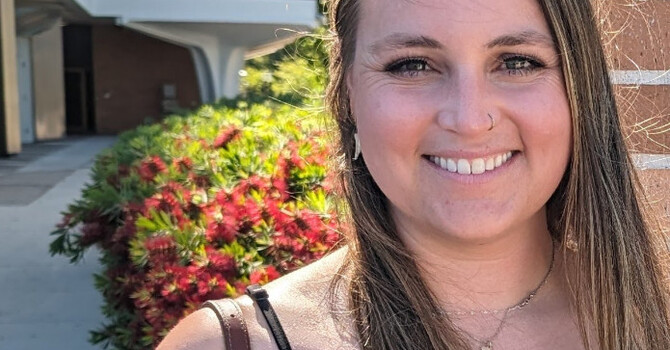
Sarai Trujillo, MA, LPC, founder of Coalescence Health, is an EMDR specialist who also provides EMDR consultation to other clinicians in the field.She's guided clients through the full protocol online for years, using tapping, sound, or visual movement cues adapted for the virtual setting. The eye movement, tapping, or other dual-task piece that makes EMDR different from talk therapy works through a screen the same way it works in person. What matters is the process itself, not the room it happens in.
Clients who come to Coalescence Health after years of talk therapy that helped somewhat but never fully resolved their symptoms often describe EMDR, whether virtual or in-person, as the first thing that created lasting change. That includes people managing complex trauma, postpartum depression, and anxiety rooted in earlier life experiences.
Where Virtual Therapy Genuinely Shines
Virtual therapy isn't just a workaround for people who can't get to an office. In certain situations, it's the better option.
Rural access. If you're in Leadville, Buena Vista, or anywhere in Fremont County, driving to Salida for a weekly appointment adds up fast in time and gas money. Virtual sessions put a licensed Colorado therapist within reach without the drive.
Consistency during unpredictable seasons. Colorado winters close mountain passes without warning. Virtual therapy means a snowstorm doesn't have to mean a missed session and a two-week gap in your care.
Comfort for certain kinds of work. Some clients process trauma more easily from their own space, where they feel safe and in control of their environment. Others find that removing the physical presence of another person in the room actually lowers their guard.
Continuity for parents. For new parents managing infant mental health concerns, postpartum depression, or the general chaos of life with a newborn, being able to log into a session from home instead of arranging childcare and a drive is often the difference between getting support and going without it.
Fewer associates competing for the same caseload slots. Rural Colorado has a smaller pool of licensed therapists than urban areas, and the ones with specialized training, EMDR, perinatal mental health, complex trauma, are often booked out. Virtual sessions widen the pool of specialists available to you without requiring a move or a long commute to reach them.
None of this means virtual therapy is a lesser substitute for the real thing. For a lot of our clients in Salida, Buena Vista, and the surrounding frontier communities, virtual sessions are simply how they access care that would otherwise be out of reach.
Where In-Person Still Has an Edge
We're not going to pretend virtual therapy is right for every person or every situation. Some clients simply do better face-to-face, particularly those who are newer to therapy and want the full presence of another person in the room while they build trust. Certain body-based or somatic work can also be easier to guide in person, at least initially.
The honest answer is that the "best" format depends on you: your comfort level, your logistics, and what you're working through. That's part of why we offer both. Many of our clients start virtually and shift to in-person sessions later, or the reverse, depending on what's happening in their lives that month.
What to Expect From Virtual Sessions at Coalescence Health
If you're considering virtual therapy in Colorado for the first time, the process looks a lot like an in-person appointment. You'll meet with your therapist over a secure video platform at your scheduled time, from wherever you have privacy and a stable connection. Coalescence Health accepts Colorado Medicaid, which is uncommon among private practices and something we're glad to offer to clients across the state, whether they're meeting with us virtually or in our Salida office.
Whether you're dealing with anxiety, depression, perinatal mental health concerns, or trauma that's followed you for years, the format shouldn't be what stands between you and support. If a two-hour round trip has been the reason you've put off getting help, that barrier no longer needs to exist.
A Few Practical Notes
You don't need special equipment for virtual therapy. A phone, tablet, or computer with a camera and a decent internet connection is enough. What matters more is finding a space where you can talk openly, whether that's a bedroom with the door closed, a parked car during a lunch break, or a quiet corner of the house once the kids are down for a nap.
If you've never done a video appointment for anything before, that first login can feel awkward for the first few minutes. Most clients tell us that feeling fades quickly once the conversation actually starts, usually within the first session. Your therapist will walk you through the platform ahead of time so there's no guesswork on the day itself.
And if virtual therapy doesn't end up being the right fit after you try it, that's useful information too. Some people try virtual first because it's more accessible, then transition to in-person sessions once their schedule or comfort level shifts. Others find they prefer virtual long-term and never look back. Either way, you're not locked into one format forever.
Ready to Get Started?
Virtual therapy through Coalescence Health gives you access to trauma-informed, EMDR-trained care no matter where in Colorado you're located. Reach out today to schedule a session and find the format that works for your life, not the other way around.